What are Piles (Hemorrhoids)?
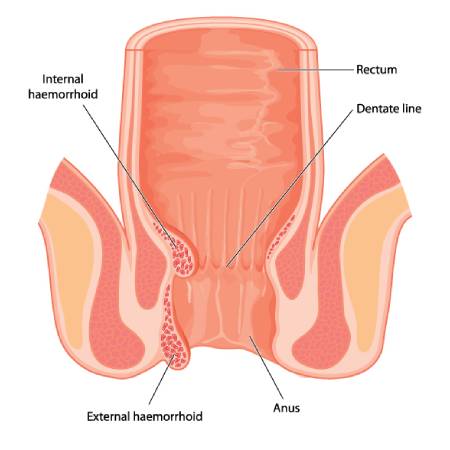
Piles, also called hemorrhoids, are swollen blood vessels in and around the anus and lower rectum. They may cause bleeding during bowel movements, itching, pain, swelling or a lump around the anus.
If you are looking for piles treatment in Bangalore, Dr Joshis Deerghayu Hospital provides clinical evaluation and personalised treatment based on the type, grade and severity of hemorrhoids. Treatment options may include dietary and lifestyle measures, medical management, Ayurvedic therapies, minimally invasive procedures and laser treatment when clinically appropriate.
Types of Piles
- Internal Hemorrhoids: Located inside the rectum, they are usually painless but may cause bleeding during bowel movements. They are graded into four stages based on the extent of prolapse: Grade I hemorrhoids remain inside the rectum and may cause bleeding; Grade II prolapse during bowel movements but return on their own; Grade III prolapse and require manual pushing back into the rectum; and Grade IV remain prolapsed and cannot be pushed back manually.
- External Hemorrhoids: These form under the skin around the anus and can cause pain, swelling and irritation.
- Thrombosed Hemorrhoids: A type of external hemorrhoid where blood clots form, leading to severe pain, swelling and inflammation.
What causes Piles?
- Chronic constipation or diarrhea
- Straining during bowel movements
- Sitting for long periods, especially on the toilet
- Low-fiber diet
- Obesity
- Pregnancy
- Aging
- Family history of hemorrhoids
Symptoms of Piles:
- Bright red blood during bowel movements
- Itching or irritation in the anal region
- Pain or discomfort while sitting
- Swelling around the anus
- A lump near the anus, which may be sensitive or painful
- Mucus discharge during defecation
How are Piles diagnosed?
Piles are diagnosed through a physical examination and if needed, proctoscopy or colonoscopy. Early diagnosis is essential to rule out more serious conditions like colorectal cancer.
Piles Treatment Options
Treatment for piles depends on the type and severity of hemorrhoids, the symptoms you are experiencing and your overall health. Mild piles may improve with dietary and lifestyle changes, while persistent or more advanced hemorrhoids may require a medical procedure. A doctor can assess the condition and recommend the most appropriate treatment.
Lifestyle and Medical Treatment
For mild or early-stage piles, lifestyle changes and medical treatment may help relieve symptoms and prevent the condition from becoming worse. The main aim is to reduce constipation, keep stools soft, avoid straining during bowel movements and relieve symptoms such as pain, itching and irritation.
Recommended measures may include:
- High-fibre diet
- Adequate hydration
- Avoid straining prolonged sitting
- Healthy bowel habits
- Warm sitz baths
- Medical treatment
Ayurvedic treatment for Piles
- Kshara Sutra therapy - A minimally invasive Ayurvedic procedure in which a specially prepared medicated thread is used to ligate and treat the affected tissue. The procedure is performed under appropriate clinical assessment and aims to promote controlled healing of the treated area.
- Basti (Medicated Enema) - A specialized Panchakarma therapy that uses herbal oils and decoctions to cleanse the colon and reduce inflammation, especially effective for chronic constipation and Vata imbalance.
- Herbal Remedies - Arshoghni Vati, Triphala, Abhayarishta and Haritaki are commonly used to regulate bowel movements, reduce inflammation and improve digestion.
- Dietary & Lifestyle Changes (Pathya-Apathya)
Minimally Invasive Procedures
- Rubber band ligation – Cuts off blood supply to the hemorrhoid
- Sclerotherapy – Injection to shrink the hemorrhoid
- Infrared coagulation – Infrared light to shrink the tissue
Surgical treatment for Piles
- Hemorrhoidectomy – Complete removal of hemorrhoids
- Stapled hemorrhoidopexy – A less painful alternative with faster recovery
Laser Treatment for Piles
Laser-based procedures may be considered for selected patients depending on the type, grade and characteristics of the hemorrhoids. Your doctor will determine whether laser treatment or another approach is appropriate after examination.
- Minimal pain and discomfort
- Faster recovery time
- Short hospital stay or daycare procedure
- Low risk of complications
Piles treatment without surgery
Not all piles cases require surgery. Many patients can be treated effectively without surgery using Ayurvedic and non-invasive treatments.
- Diet and lifestyle changes
- Herbal medications
- Kshar Sutra therapy
- Non-invasive procedures like sclerotherapy
Why Choose Deerghayu Hospital for Piles Treatment?
Choosing the right treatment for piles depends on the type and severity of hemorrhoids, the symptoms you are experiencing and your overall health. At Deerghayu Ayurvedic Hospital, patients are evaluated before a suitable treatment plan is recommended. Our approach combines Ayurvedic care with appropriate minimally invasive and laser-based treatment options when clinically indicated.
Personalized Treatment Planning
Piles can vary in type and severity. Our doctors assess the patient's symptoms and clinical condition before recommending an appropriate treatment approach.
Comprehensive Piles Care
Treatment options may include lifestyle and dietary measures, medical management, Ayurvedic therapies, minimally invasive procedures and laser treatment, depending on the patient's condition.
Laser Treatment Options
For suitable patients, laser-based treatment may be considered as a minimally invasive option. The doctor will explain the procedure, expected recovery and alternatives before treatment.
Ayurvedic Treatment for Piles
Ayurvedic management may include dietary and lifestyle guidance, medicines and selected procedures such as Kshara Sutra therapy, based on individual assessment and clinical suitability.
Focus on Recovery and Comfort
Treatment is planned with attention to symptom relief, recovery and healthy bowel habits. Patients are also advised on diet, hydration and lifestyle measures that may help reduce the risk of recurrence.
Care at Deerghayu Ayurvedic Hospital
Patients can discuss their symptoms, treatment options, expected recovery and follow-up care with the medical team before deciding on the most appropriate treatment.
Common Questions about Piles treatment
Below are some frequently asked questions about piles treatment in Bangalore, laser treatment and non-surgical options.
1. What is the treatment for piles?
Treatment for piles (hemorrhoids) depends on the type and severity of the condition. Mild piles may improve with dietary and lifestyle changes, adequate fibre and fluids, medicines, and sitz baths. Ayurvedic treatment options such as Kshara Karma may be considered in appropriate cases. For persistent or advanced piles, minimally invasive procedures or surgery, including laser treatment when clinically suitable, may be recommended after medical evaluation.
2. Which treatment is best for piles — ayurvedic, homeopathic or allopathic?
The best treatment for piles (hemorrhoids) depends on the type, grade and severity of the condition. Mild piles can often be managed with dietary and lifestyle changes, adequate fibre and fluids, medicines and proper bowel habits. Ayurvedic treatments may be considered in appropriate cases, while conventional medical treatments, minimally invasive procedures or surgery may be recommended for persistent or advanced piles. There is currently insufficient reliable scientific evidence to consider homeopathy an effective treatment for piles. A medical evaluation is important to determine the most appropriate treatment for each patient.
3. Which doctor to consult for piles?
For piles (hemorrhoids), you can consult a qualified proctologist, colorectal surgeon, general surgeon or a doctor experienced in treating anorectal conditions. An Ayurvedic physician with experience in proctology can also evaluate piles and recommend appropriate Ayurvedic treatment when suitable. The right treatment depends on the type and severity of the piles, so a proper clinical evaluation is recommended.
4. Is laser treatment for piles good or bad?
Laser treatment can be an effective minimally invasive option for selected patients with piles. It may offer advantages such as less postoperative pain, minimal tissue damage and a faster return to normal activities compared with some conventional surgical procedures. However, laser treatment is not suitable for every type or grade of hemorrhoid, and the risk of recurrence can vary. A proper clinical evaluation is important to determine whether laser treatment or another approach is most appropriate for the individual patient.
5. Is laser piles treatment painful?
Laser piles treatment is usually not painful as it is a minimally invasive procedure. Unlike traditional surgery, it does not involve large cuts or stitches. Most patients experience only mild discomfort and the recovery is much faster with less pain and minimal bleeding.
6. How much does laser treatment for piles cost?
The cost of laser treatment for piles at Deerghayu Hospital depends on the severity and grade of piles and the treatment recommended. Laser treatment may start from ₹40,000, while the final cost is determined after clinical evaluation. Contact the hospital for the current treatment package and exact cost.
7. Are piles dangerous?
Piles (hemorrhoids) are usually not dangerous or life-threatening, but they can cause symptoms such as bleeding, pain, itching, swelling and discomfort. Persistent or heavy rectal bleeding should not automatically be assumed to be caused by piles, as other conditions can also cause bleeding. If symptoms are severe, recurrent or do not improve with treatment, a medical evaluation is recommended to confirm the diagnosis and determine the appropriate treatment.
8. What causes piles?
Piles (hemorrhoids) develop when the veins and supporting tissues in the lower rectum or anus become swollen or enlarged. Factors that can contribute to piles include constipation and straining during bowel movements, prolonged sitting, a low-fibre diet, pregnancy, obesity, chronic diarrhoea and increasing age. During pregnancy, hormonal changes, increased pressure on the veins in the pelvic area and constipation can increase the likelihood of developing piles. Maintaining healthy bowel habits, eating enough fibre and avoiding excessive straining can help reduce the risk of developing or worsening piles.