Anal Fistula Treatment: Symptoms, Causes & Solutions
What is an Anal Fistula?
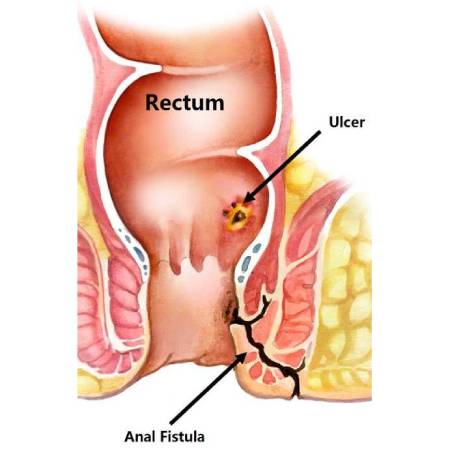
An anal fistula is a small tunnel that forms between the inside of the anus and the skin surrounding it. It often develops as a result of an infection or abscess in the anal glands, which creates a channel when the pus drains. This tunnel can become painful, repeatedly filled with pus, and may leak foul-smelling discharge. Anal fistulas rarely heal on their own and usually require medical or surgical treatment.
What causes an Anal Fistula?
Anal fistulas typically occur when an anal abscess fails to heal completely and leaves behind a tract. However, other conditions can also contribute, such as:
- Chronic anal abscesses
- Inflammatory bowel diseases (e.g., Crohn’s disease, ulcerative colitis)
- Tuberculosis (rare, but possible)
- Radiation therapy in the pelvic area
- Trauma or injury to the anal region
- Infections like sexually transmitted diseases
What are the symptoms of an Anal Fistula?
The most common symptoms of Anal Fistula include:
- Persistent pain or irritation around the anus
- Swelling, redness or a lump near the anal opening
- Recurrent discharge of pus or blood
- Skin irritation or itching in the anal area
- Fever or fatigue (if infection is present)
- A visible opening or hole near the anus that leaks fluid
How is an Anal Fistula diagnosed?
Anal fistulas typically do not heal on their own and require medical intervention. While sitz baths and antibiotics may provide temporary relief, complete healing usually involves a surgical procedure such as fistulotomy, seton placement or laser treatment. For those seeking natural solutions, Ayurvedic therapy like Kshar Sutra offers a minimally invasive, effective alternative. The choice of treatment depends on the fistula’s complexity, location and the patient’s overall health.
What are the surgical treatment options?
Surgery is the most effective and reliable way to treat an anal fistula. The choice of procedure depends on the fistula's depth and complexity.
- Fistulotomy – The most common treatment, where the entire fistula tract is opened and allowed to heal naturally.
- Seton placement – A surgical thread is placed to keep the tract open and drain infection slowly over time, used in complex or high-risk cases.
- LIFT Procedure (Ligation of Intersphincteric Fistula Tract) – A sphincter-preserving surgery that targets the internal opening of the fistula.
- Laser Fistula Treatment (FiLaC) – A minimally invasive option using laser energy to seal the tract with faster healing and minimal discomfort.
Is ayurvedic treatment available for Anal Fistula?
Yes. Ayurveda offers a holistic, natural approach for managing anal fissures, focusing on detoxification and healing:
- Kshar Sutra therapy: Kshar Sutra involves the use of a medicated thread that is inserted through the fistula tract and gradually cuts, heals and cleanses it over time.
- Herbal formulations and lifestyle modifications are also recommended to support internal healing and prevent recurrence.
Ayurvedic treatment is less invasive and especially beneficial for patients seeking a non-surgical option for simple fistulas.
Frequently Asked Questions
An anal fistula is an abnormal tunnel that forms between the inside of the anus and the surrounding skin. It most commonly develops after an anal abscess or infection. Other causes may include Crohn’s disease, inflammatory bowel disease, previous surgery or other conditions affecting the anal region.
An established anal fistula usually does not heal permanently on its own because the abnormal tract remains connected to the anal canal. While medicines can help manage infection or symptoms, definitive treatment may be required to close the fistula and prevent recurrent abscesses.
Treatment depends on the type, location and complexity of the fistula and whether the anal sphincter muscles are involved. Depending on the individual case, treatment options may include ayurvedic treatment, fistulotomy, seton placement, LIFT procedure, advancement flap surgery, fistulectomy, laser-assisted procedures or other sphincter-preserving techniques.
Laser treatment can be a minimally invasive and sphincter-preserving option for selected patients, but it may not be suitable for every type of fistula. The appropriate treatment depends on factors such as the fistula's anatomy, complexity, sphincter involvement, and whether it is a recurrent fistula. A specialist evaluation is important before choosing a procedure.
Patients looking for anal fistula treatment in Bangalore can consult a specialist at Dr. Joshi’s Deerghayu Hospital for evaluation and treatment planning. The appropriate treatment is determined after assessing the fistula's location, complexity, sphincter involvement and the patient's overall condition. Treatment options may include conventional or minimally invasive, sphincter-preserving procedures when clinically appropriate.
Recovery after anal fistula surgery varies depending on the type and complexity of the fistula and the procedure performed. Some patients may resume routine activities relatively quickly, while more complex procedures can require a longer healing period. Following postoperative wound-care, dietary, bowel-movement and follow-up instructions can support recovery.
The cost of anal fistula treatment in Bangalore varies depending on the complexity and location of the fistula, diagnostic investigations, treatment technique and postoperative care. A specialist consultation is generally needed to determine the most appropriate treatment and provide an individualised cost estimate.