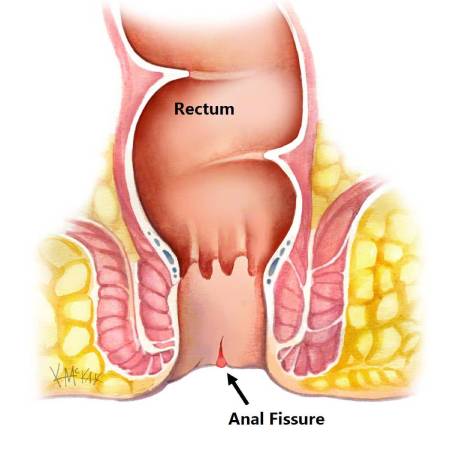
Comprehensive Care for Anal Fissure
Anal fissures are small tears in the lining of the anal canal that can cause sharp pain, burning and bleeding during or after bowel movements. At Dr Joshis Deerghayu Hospital in Bangalore, patients with anal fissures are evaluated to determine the severity and likely cause of the condition before treatment is recommended.
Treatment may include dietary and lifestyle measures, medicines and conservative care for suitable cases. For persistent or chronic fissures, additional procedures may be considered depending on the clinical assessment, including laser-based treatment or other appropriate interventions.
Our approach is to select treatment according to the patient's symptoms, duration of the fissure and clinical findings rather than recommending the same treatment for every patient.
What causes an Anal Fissure?
Anal fissures can develop for several reasons, including:
- Passing hard or dry stools (constipation)
- Straining during bowel movements
- Chronic diarrhea
- Inflammatory bowel diseases (like Crohn’s disease)
- Childbirth (post-delivery tearing in women)
- Repeated anal trauma or tight anal sphincter muscles
Sometimes, fissures may also appear without any obvious cause — these are called idiopathic fissures.
When should you see a doctor for an Anal Fissure?
- Anal pain keeps returning
- Bleeding occurs repeatedly
- The fissure does not improve with conservative measures
- You have severe pain during bowel movements
- You have recurrent constipation
- You have unexplained or persistent rectal bleeding
How is an Anal Fissure diagnosed?
Diagnosis usually begins with a discussion of symptoms, bowel habits, duration of pain and bleeding, followed by an appropriate clinical examination. Depending on the symptoms and examination findings, further evaluation may sometimes be recommended to rule out other causes of anal pain or rectal bleeding.
How we approach anal fissure treatment?
- Clinical assessment and diagnosis
- Evaluation of symptoms and duration
- Identification of constipation, bowel habits or other contributing factors
- Conservative treatment where appropriate
- Evaluation of persistent or chronic fissures
- Discussion of procedural options when clinically indicated
- Follow-up to assess healing and recurrence
How can Anal Fissures be treated?
Anal fissures can often heal on their own with simple lifestyle changes such as eating a high-fiber diet, staying hydrated and avoiding straining during bowel movements. Warm sitz baths, topical ointments and stool softeners may also provide relief. For chronic or non-healing fissures, advanced options like Botox injections, laser therapy or minor surgery (lateral internal sphincterotomy) may be recommended. Ayurvedic treatments are also available, offering natural healing through herbal remedies and therapies like Kshar Sutra. Choosing the right treatment depends on the severity and duration of the fissure.
Can an Anal Fissure Be Treated Without Surgery?
Many acute anal fissures can improve with conservative treatment, particularly when constipation and straining are addressed. Treatment may include dietary fibre, adequate fluid intake, appropriate medicines and measures that help reduce pain and facilitate bowel movements.
However, not every fissure follows the same course. A fissure that persists, repeatedly returns or develops features of chronic disease may require a different treatment approach. A doctor should assess persistent symptoms rather than assuming that surgery or a particular procedure is necessary.
What if the Fissure becomes chronic?
A fissure is considered chronic if it lasts longer than 6 weeks or keeps coming back. In such cases, advanced treatments may be necessary, including:
- Botox injections to relax the sphincter muscle
- Lateral internal sphincterotomy (LIS) – a minor surgical procedure where a small portion of the anal muscle is cut to reduce tension and allow healing
- Laser treatment – a minimally invasive procedure that may be considered for selected patients after clinical evaluation.
Acute vs Chronic Anal Fissure
| Acute fissure | Chronic fissure |
|---|---|
| Usually recent onset | Persistent or recurrent symptoms |
| May improve with conservative care | May require additional treatment |
| Constipation management is important | Requires assessment for underlying causes and treatment options |
Laser Treatment for Anal Fissure
Laser treatment may be considered for selected patients with persistent or chronic anal fissures after clinical evaluation. The suitability of laser treatment depends on factors such as the duration of symptoms, severity, examination findings and previous treatment.
Ayurvedic Treatment for Anal Fissure
Ayurvedic management may focus on improving bowel habits, reducing constipation, supporting local healing and addressing factors that may contribute to recurrence. The treatment plan should be individualized after clinical assessment.
Ayurvedic therapies that may be considered
- Diet and lifestyle modification
- Appropriate herbal medicines
- Local therapies where clinically appropriate
- Selected Ayurvedic procedures under qualified supervision
Frequently Asked Questions about Anal Fissure treatment
Yes. Many acute anal fissures can improve with conservative treatment such as increasing dietary fibre, drinking adequate fluids, avoiding straining during bowel movements and using medicines recommended by a doctor. Persistent or recurrent fissures may require further evaluation and additional treatment options.
The appropriate treatment depends on whether the fissure is acute or chronic, its severity and the patient's symptoms. Treatment may include dietary and lifestyle changes, medicines, Ayurvedic therapies or procedures such as laser treatment in selected cases. A doctor should evaluate the fissure before recommending a specific treatment.
Laser-based treatment may be an option for selected patients with persistent or chronic anal fissures. The suitability of laser treatment depends on the clinical findings, duration of symptoms and previous treatments. Your doctor can explain whether it is appropriate for your condition.
An acute fissure may heal within several weeks when the underlying cause, such as constipation or straining, is addressed. Chronic or recurrent fissures can take longer and may require additional treatment. Persistent symptoms should be evaluated by a doctor.
Ayurvedic treatment may be used as part of an individualized approach to managing suitable patients with anal fissures. Treatment may focus on bowel habits, diet, local care and selected Ayurvedic medicines or therapies. The appropriate treatment depends on the patient's condition and should be determined after consultation.
Both conditions can cause rectal bleeding, but they are different conditions. An anal fissure is a tear in the anal lining and commonly causes sharp pain during bowel movements, whereas piles are swollen blood vessels that may cause bleeding, itching or a lump. A clinical examination can help determine the cause of your symptoms.
Patients looking for anal fissure treatment in Bangalore can consult a qualified doctor for an assessment of their symptoms and treatment options. Dr Joshis Deerghayu Hospital in Bangalore provides consultation and treatment for anorectal conditions, with treatment selected according to the patient's clinical condition.